Are Bodhi Beads Really From the Bodhi Tree? What They're Made Of and How to Tell What Yours Is
If you own a bodhi seed mala, someone may have told you the beads come from the tree the Buddha sat under. It is a lovely idea, and the real story is even more interesting. Here is what the bodhi tree actually produces, what "bodhi seed" beads usually turn out to be, and how to look closely at your own strand. For what bodhi beads mean and how they are used, see What Are Bodhi Beads? Their Meaning, History, and How People Use Them.
The tree and its fruit
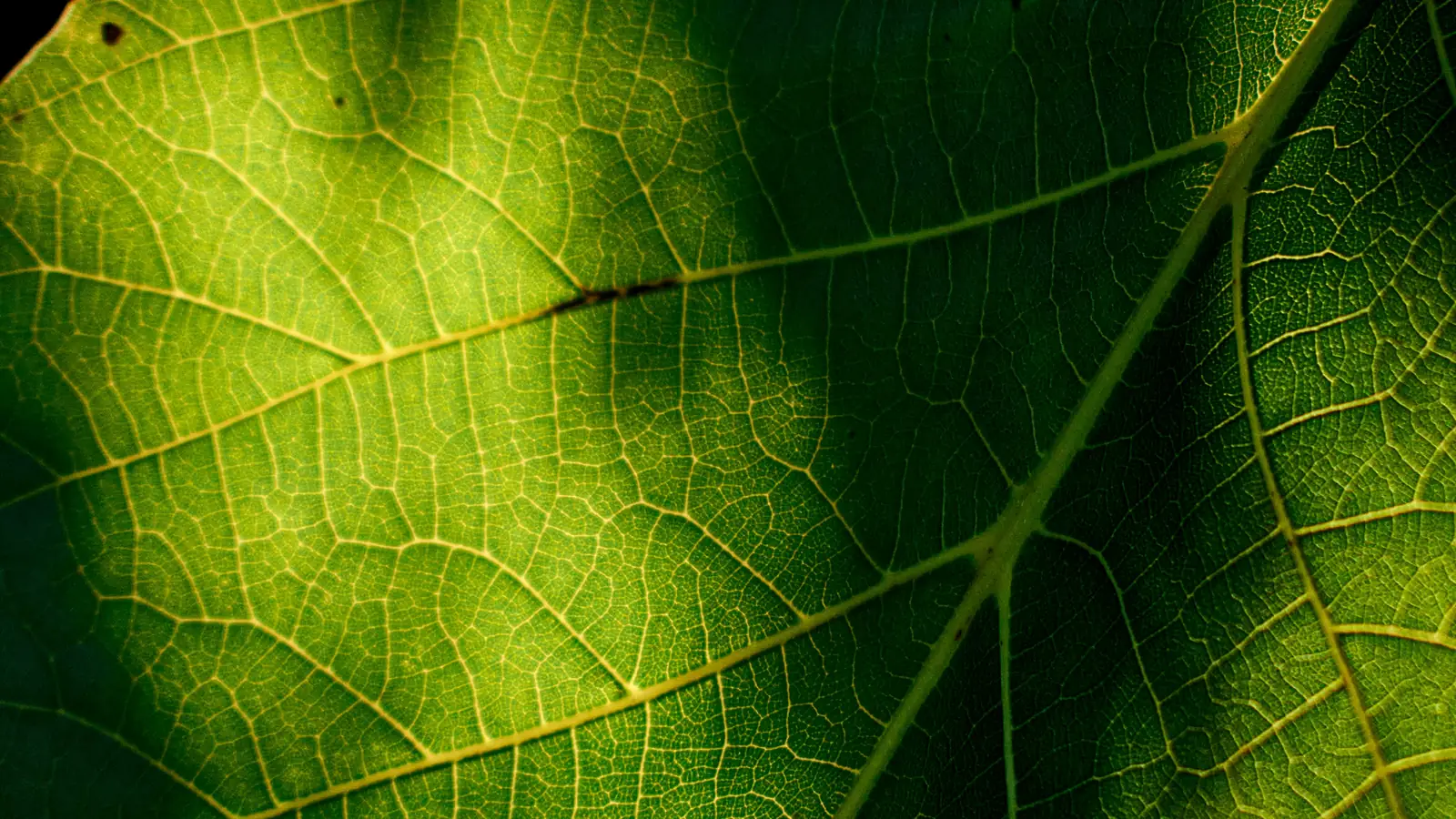
The bodhi tree is Ficus religiosa, a sacred fig. In Buddhist tradition, Siddhartha Gautama sat beneath one at Bodh Gaya in India and reached enlightenment, and the tree at the Mahabodhi Temple there is thought to descend from the original.
Its fruit is a small fig, roughly a centimeter across, that turns purple to black when ripe. The seeds inside are tiny, which is a big clue that the beads on your mala probably did not come from this tree.
Where the name comes from
A 2014 study in the Journal of Ethnobiology and Ethnomedicine looked at this question directly. Researchers surveyed bead shops across six Chinese provinces, mainly on Lhasa's Barkhor Street, and identified the plants behind the beads.
They explain that the Chinese name Pu Ti Zi joins "Pu Ti" (the bodhi tree) with "Zi" (seed), and that the beads are not made from Ficus religiosa seeds. The name traces back to an old medical text, the Compendium of Materia Medica, where it referred to Job's tears. Today "bodhi seed" is a general term for many seeds and fruits strung as prayer beads.
So the name points to the tree as a symbol, not as the source.
What bodhi beads usually are
The same study found 52 bead types from 47 plant species, with palms and legumes the most common families. Four types come up again and again:
- "King Kong" beads come from Elaeocarpus angustifolius. They were the most common type in the study, found in over 90 percent of shops. The bead is the hard, furrowed inner stone of the fruit. It is a close relative of rudraksha, which is sacred in the Shaiva tradition of Hinduism and carries its own meaning and practice.
- "Moon and star" beads come from a rattan palm (Daemonorops jenkinsiana). Look for tiny holes and small dark dots on the surface. Sellers sometimes call them "lotus seed," though they do not come from a lotus.
- "Bodhi root" beads come from the seeds of the talipot palm (Corypha umbraculifera), sometimes called vegetable ivory.
- "Phoenix eye" beads come from a relative of the jujube (Ziziphus). The hard stone shows an eye-like mark.
One caution for buyers. The same trade name can be used for different plants, and one plant can be sold under several names. The label on a strand is a clue, not a botanical identification.
How to tell what yours is made of
At home you can usually narrow things down, not prove them. Stick to gentle checks, since heat, solvents and soaking can damage natural beads.
- Ask the seller for the plant name, not only the trade name. If they cannot tell you, treat the label as marketing.
- Look closely at the surface. Furrows, pores, dots or an eye-shaped mark can point you to one of the types above.
- Compare the beads to each other. Natural beads vary a little in size, shape and color. A strand of perfectly identical beads may be molded.
- Do not rely on weight or an aged look. Good resin copies can feel just as hard and darken with use just like seeds do.
- Ask an expert for a rare or costly strand. A botanist or experienced bead specialist will be a better judge than any home test.
If your beads turn out to be resin or another look-alike, nothing is wrong with that. A mala works for counting and practice whatever it is made of. What matters is knowing what you are holding, and that sellers describe it honestly.
A last word
Whether your beads are palm seed, a rudraksha-family stone or well-made resin, they belong to a long tradition of prayer beads. Naming the material accurately is a small way to respect it. To see how malas relate to other prayer beads around the world, read Mala, Rosary, Juzu and Misbaha: How Prayer Beads Compare Across Traditions.
Sources
- Li, F., Li, J., Liu, B., Zhuo, J., & Long, C. (2014). Seeds used for Bodhi beads in China. Journal of Ethnobiology and Ethnomedicine, 10, Article 15. https://doi.org/10.1186/1746-4269-10-15 (opens in a new tab)
- Encyclopaedia Britannica. Bo tree. https://www.britannica.com/plant/Bo-tree (opens in a new tab)
- National Parks Board (Singapore). Ficus religiosa. https://www.nparks.gov.sg/florafaunaweb/flora/2/9/2915 (opens in a new tab)